The basics · 5 min read
Why daily support matters.
Great food is the foundation. But modern dogs live longer, move less and face more stress than ever — and small daily gaps add up over a lifetime.

- dogs show signs of a nutrient gap by age seven
- 1 in 3
- years is now a typical lifespan for many breeds
- 12+
- is when most owners notice a difference
- 30 days
Food covers the minimum. Supplements cover the rest.
Commercial dog food is formulated to prevent deficiency — the baseline your dog needs to avoid getting sick. It is not always formulated for what your specific dog needs to thrive: their breed, their age, how active they are, or the conditions they are prone to.
Processing, storage and cooking can also reduce delicate nutrients like omega-3s, probiotics and some vitamins. A targeted daily chew tops those back up in the amounts that matter.
Prevention is easier than repair.
Joints, skin, gut and heart all change slowly. By the time you see limping, scratching or low energy, the underlying change has usually been building for months or years.
Starting support early — especially in breeds known for certain issues — means you are working with the body, not playing catch-up.
- Joint cartilage is easier to maintain than to rebuild
- A balanced gut supports roughly 70% of the immune system
- Healthy skin is the first line of defense against allergens
Consistency beats intensity.
Supplements work by building up over time. A single chew does little; a chew every day for a month starts to show. That is why we make them taste like a treat — so the daily habit sticks for both of you.
Always loop in your vet.
Supplements support health — they do not diagnose, treat or cure disease. If your dog has a medical condition or takes medication, share your plan with your veterinarian. Our recommendation tool flags the combinations worth asking about.
Formulas for this.
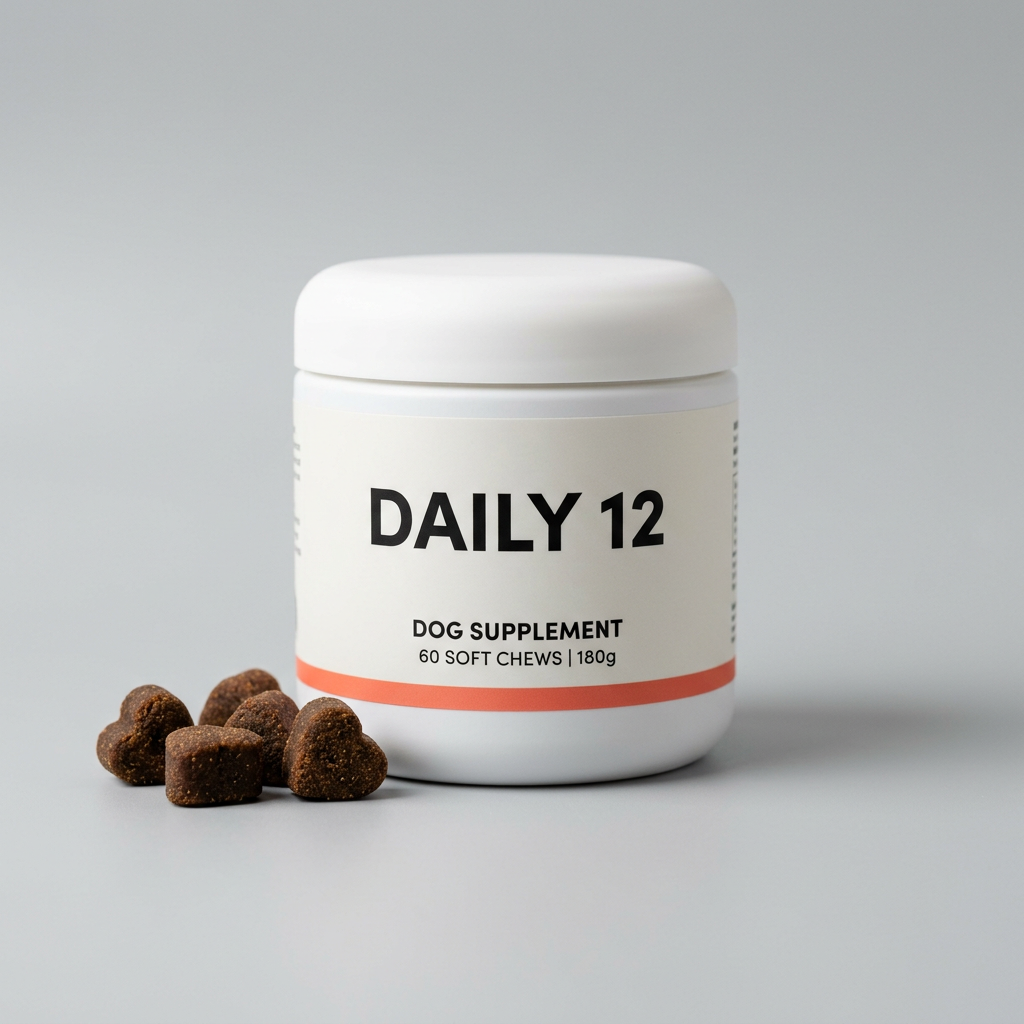
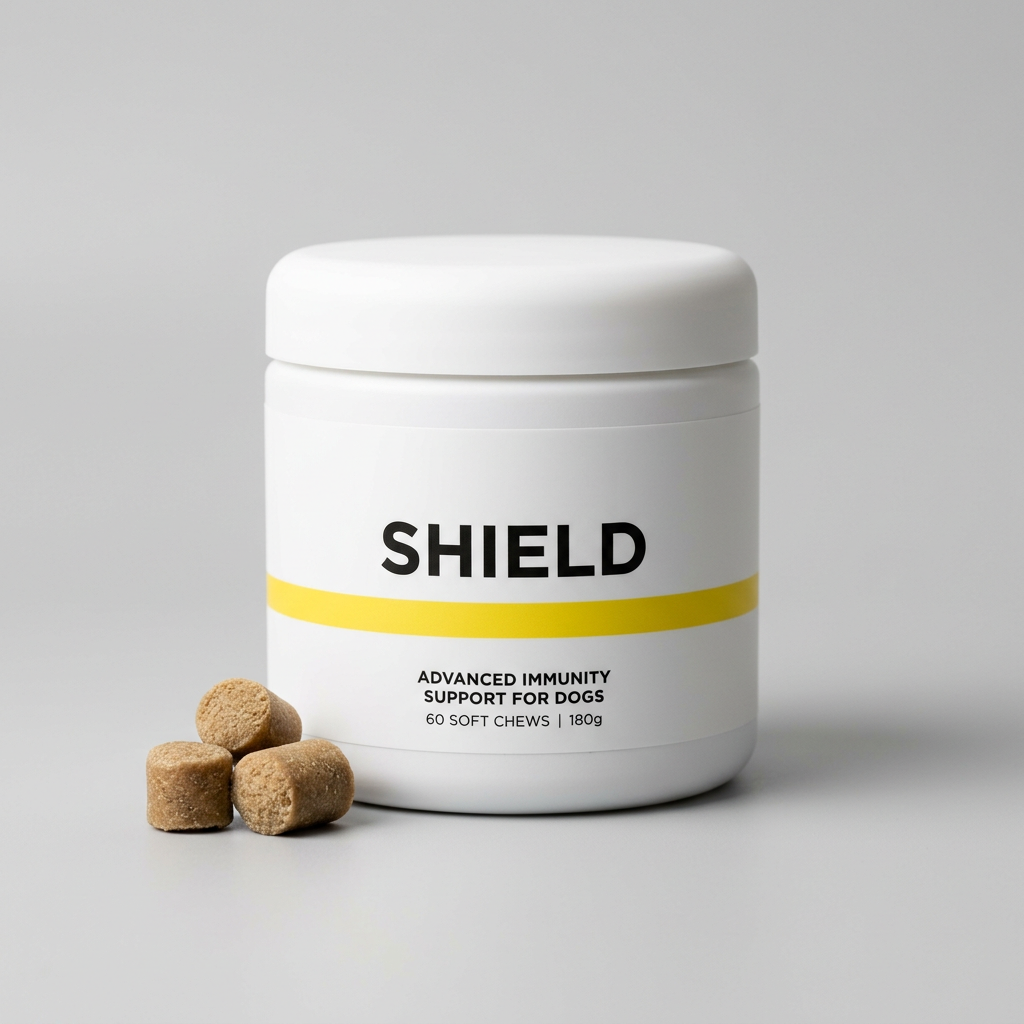
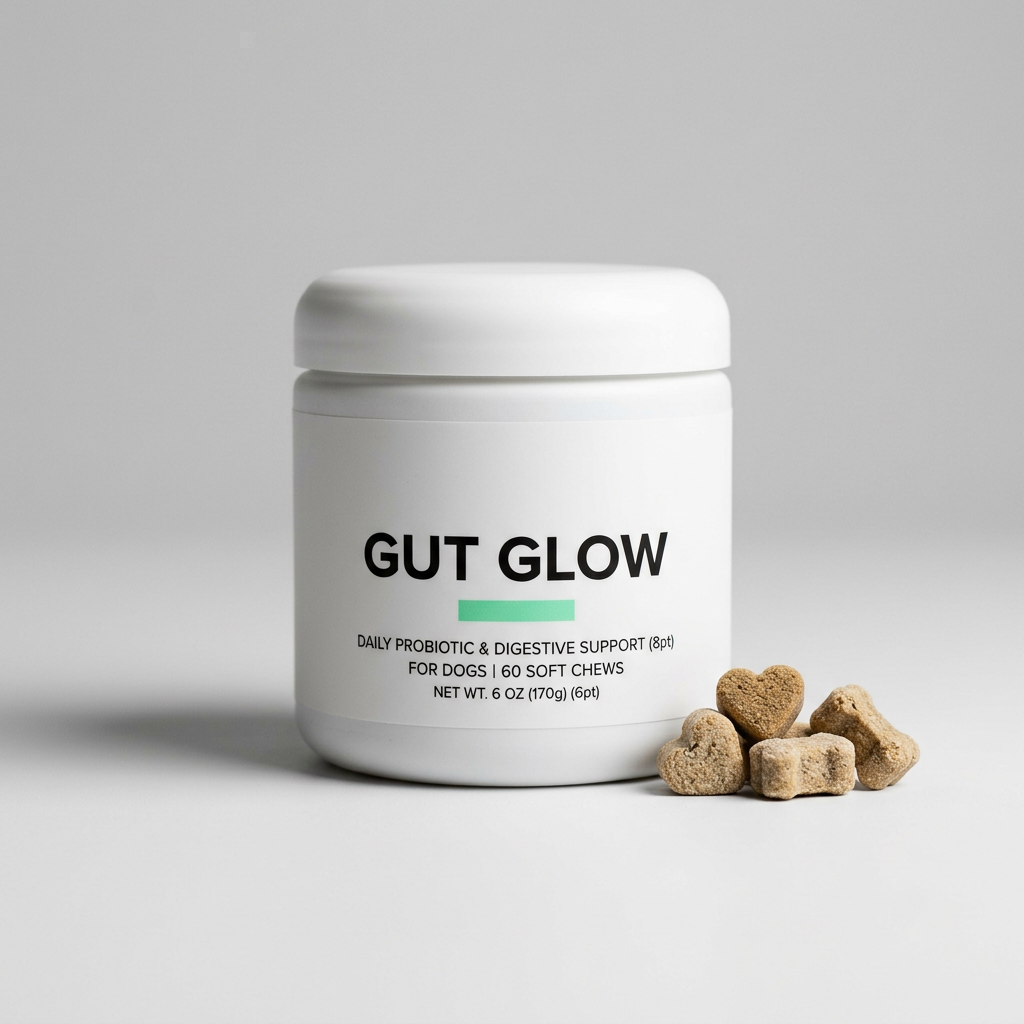
Not sure where to start?
Answer a few questions and we’ll match your dog to the right formula.
Find their formulaRead next

Joints & mobility · 6 min read
Keep them running.
Joint changes start quietly — often years before you notice a limp. Here is what is happening inside, and how to stay ahead of it.