Puppy to senior · 6 min read
Every age, its own needs.
A ten-week-old puppy and a twelve-year-old senior need very different things. Matching support to life stage is one of the simplest ways to get it right.

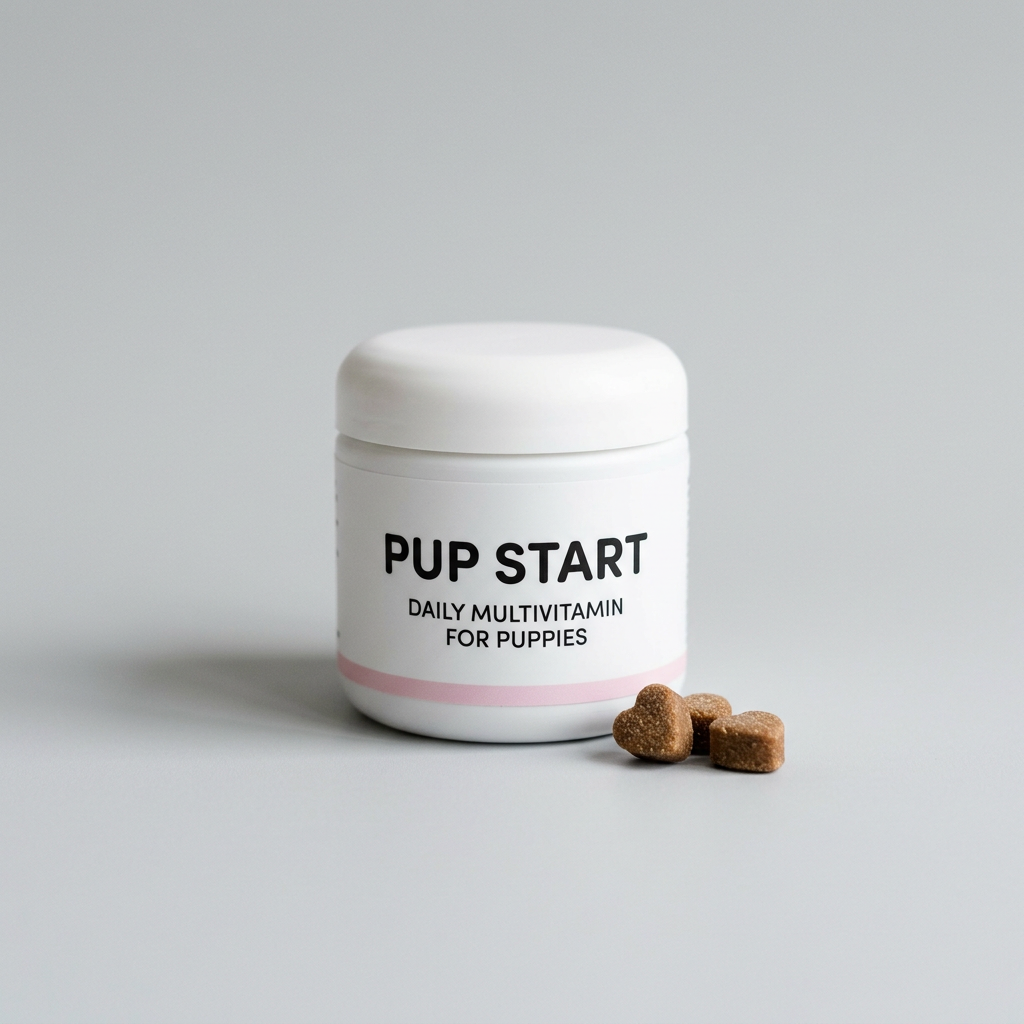
- youngest age for Pup Start
- 8 weeks
- when dogs become seniors, depending on size
- 6–10 yrs
- life stages, each with its own focus
- 3
Puppies: build the foundation.
The first year is about steady growth — brain, bones, gut and immune system all develop rapidly. DHA supports learning and vision, while balanced minerals support bones without pushing growth too fast. Large and giant breed puppies especially should never get extra calcium beyond a balanced formula.
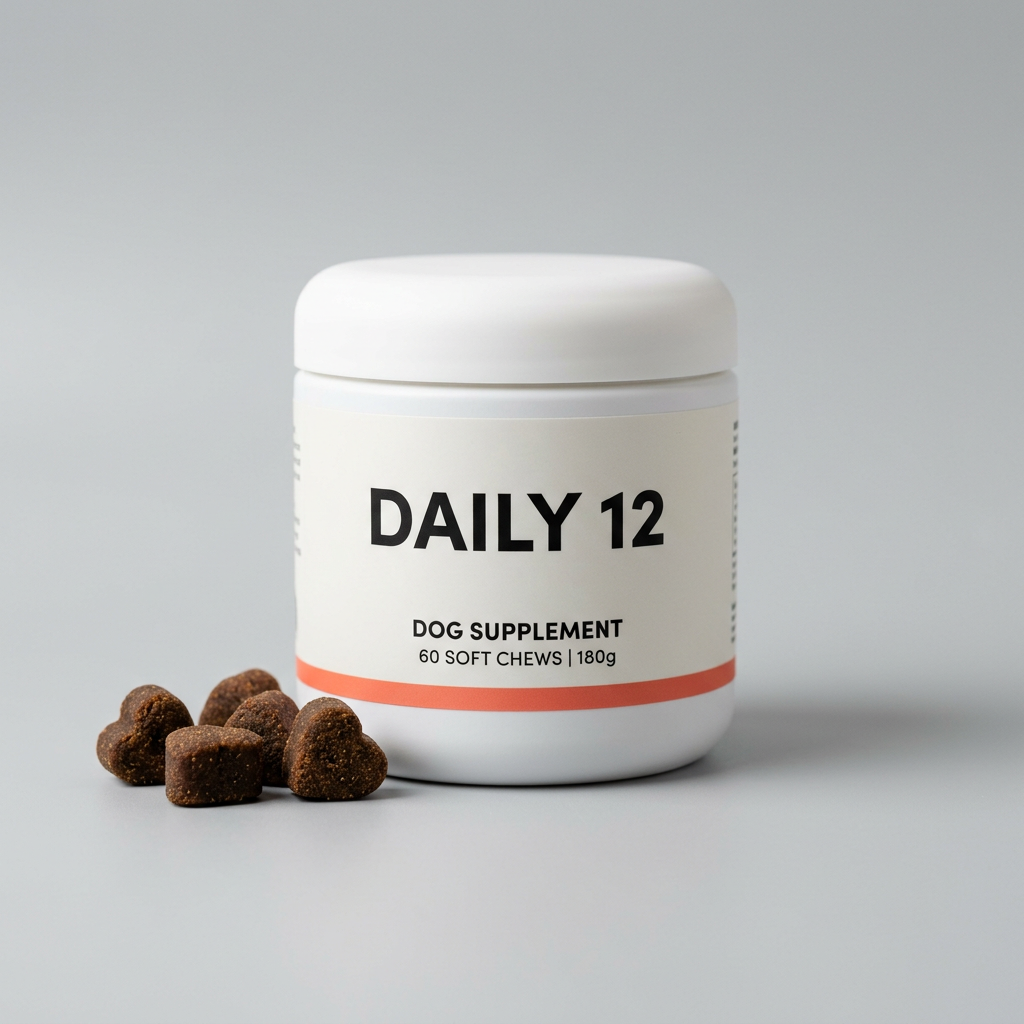
Adults: maintain and protect.
Adult dogs are at their most active. This is the time to support joints in at-risk breeds, keep the gut balanced and fill everyday nutritional gaps — protecting the body before wear and tear shows.
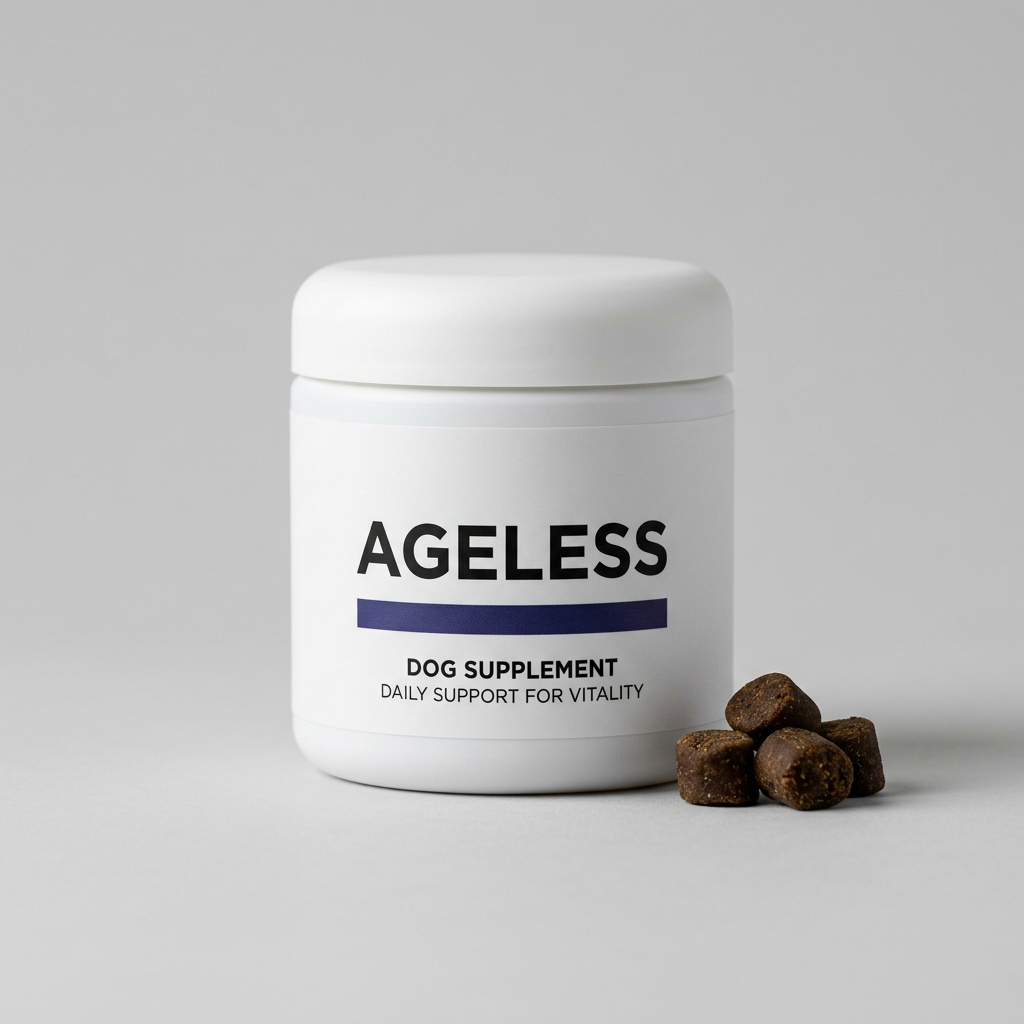
Seniors: comfort and clarity.
Giant breeds become seniors around six, large breeds around seven, medium breeds around eight and small breeds around ten. Older dogs benefit from joint comfort, antioxidant support and brain-fueling nutrients like MCT oil to keep them sharp and engaged.
- More sleep, but restless nights
- Slower to respond to cues
- Stiffness after rest
- Changes in appetite
Formulas for this.
Not sure where to start?
Answer a few questions and we’ll match your dog to the right formula.
Find their formulaRead next

Calm & behavior · 4 min read
Less stress. More snooze.
Fireworks, thunderstorms, car rides, empty houses. Anxiety is one of the most common — and most overlooked — challenges dogs face.