Calm & behavior · 4 min read
Less stress. More snooze.
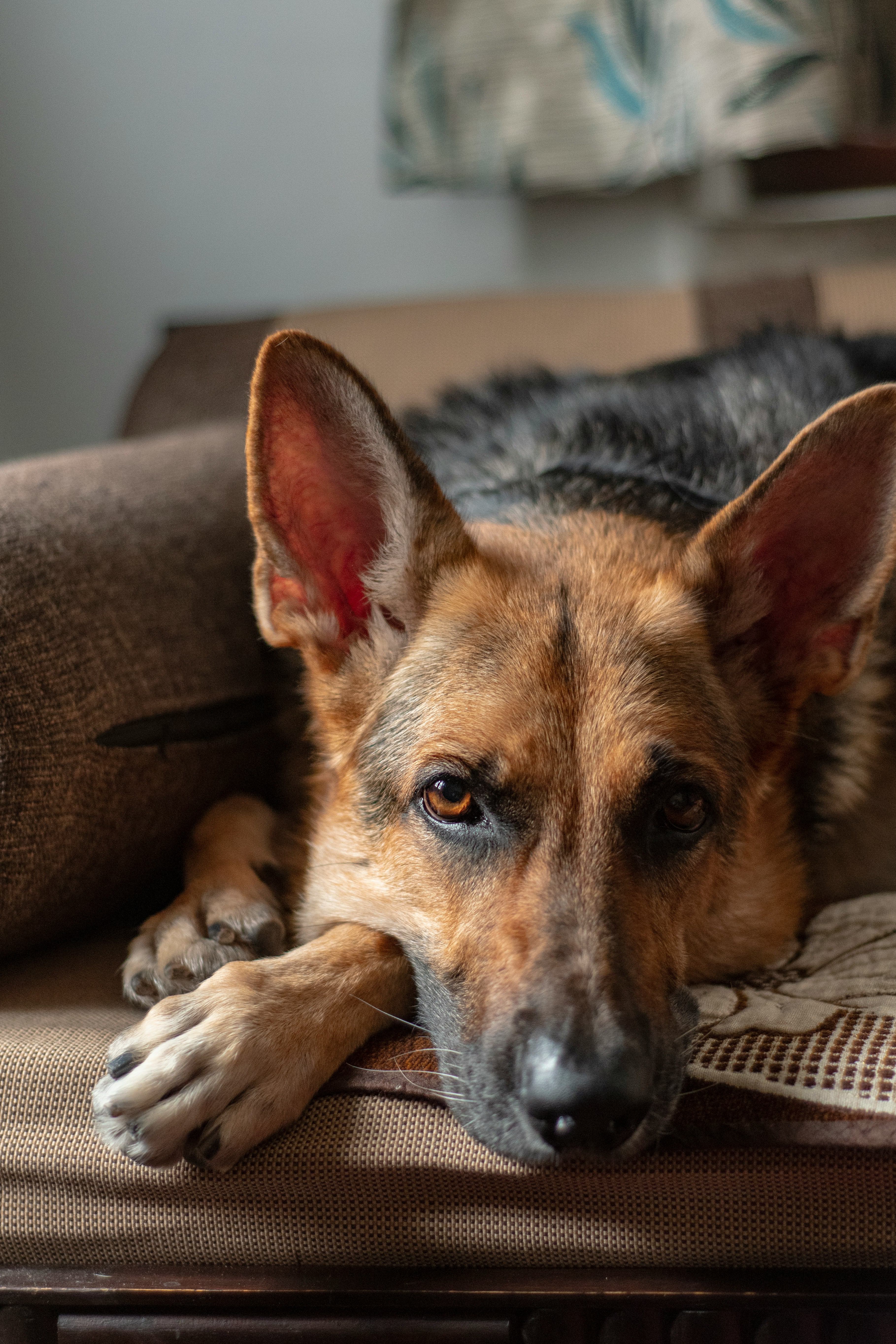
Fireworks, thunderstorms, car rides, empty houses. Anxiety is one of the most common — and most overlooked — challenges dogs face.
- of dogs show at least one anxiety-related behavior
- 70%
- for Calm to take effect
- 30–60 min
- drowsy side effects — just relaxed
- 0
What anxiety looks like.
Stress does not always look like shaking. Many anxious dogs show it in quieter ways.
- Pacing, panting or whining
- Destructive chewing when alone
- Hiding or clinging
- Excessive licking
- Accidents in the house
How calming ingredients work.
L-theanine, found naturally in green tea, supports relaxed alertness without sedation. Chamomile and passion flower have long traditions as gentle calming botanicals. Thiamine supports a healthy nervous system.
Pair it with training.
Calming support works best alongside positive training, predictable routines and a safe space. For severe anxiety, talk to your vet or a certified behaviorist.
Formulas for this.
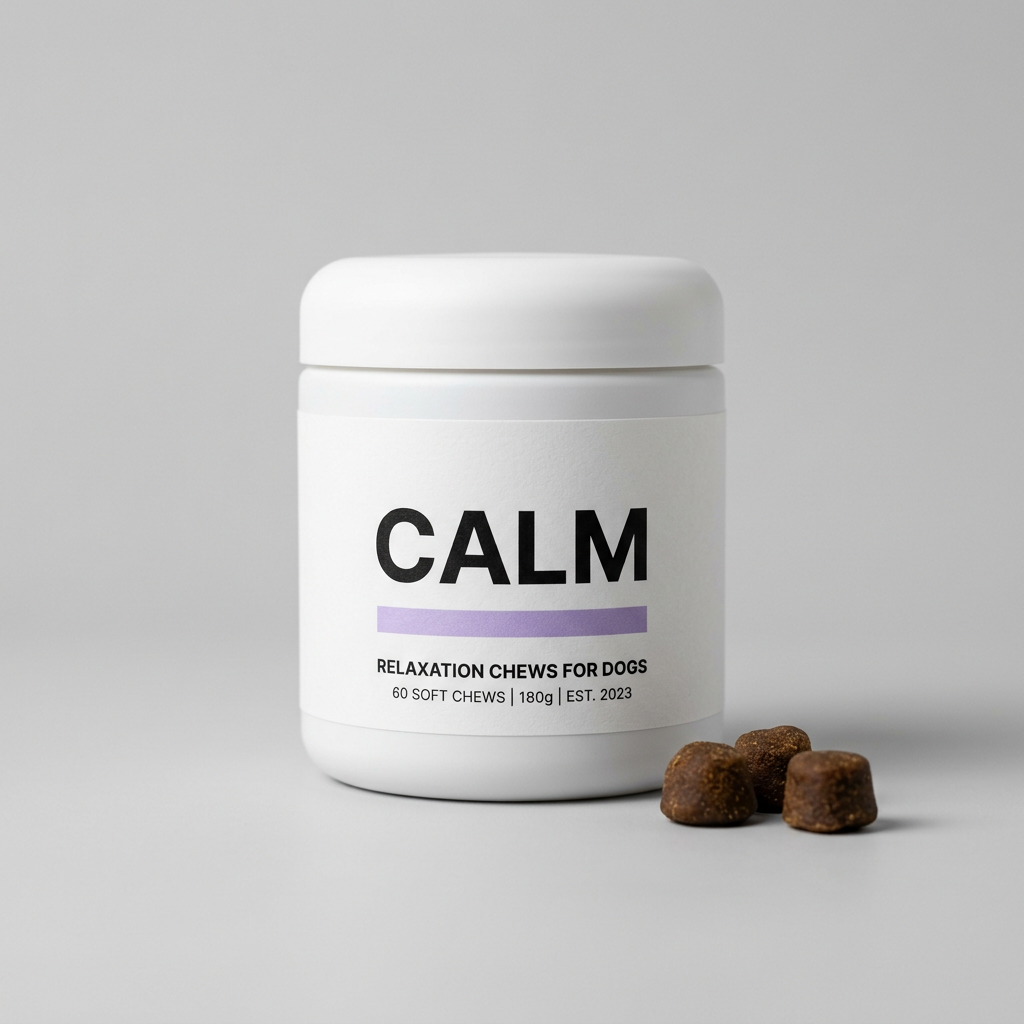

Not sure where to start?
Answer a few questions and we’ll match your dog to the right formula.
Find their formulaRead next
Heart health · 5 min read
Every beat counts.
Heart disease affects roughly one in ten dogs — and certain breeds far more. Here is what puts dogs at risk, and how to support a healthy heart.